Accessible Healthcare for All: Strengthening India's Communities
Learn why accessible healthcare is crucial for India's development and how community-driven initiatives improve health outcomes, awareness, and quality of life.
Ramu
Contributor
Introduction
Good health is the foundation of a productive and fulfilling life. Yet millions of people across India continue to face barriers to accessing quality healthcare services. From remote villages to underserved urban communities, healthcare inequality remains a significant challenge.
Ensuring access to affordable and quality healthcare is essential for creating healthier communities and improving overall well-being.
The Importance of Healthcare Access
Healthcare is more than treatment; it includes prevention, education, nutrition, and early intervention. Timely healthcare services can prevent serious illnesses, reduce mortality rates, and improve quality of life.
Accessible healthcare contributes to:
Longer life expectancy
Reduced disease burden
Better maternal and child health
Improved productivity
Stronger communities
Major Healthcare Challenges in India
Lack of Medical Infrastructure
Many rural areas have limited healthcare facilities, making medical treatment difficult to access.
Financial Constraints
Healthcare expenses can place a heavy burden on low-income families, often leading to delayed treatment.
Health Awareness Gaps
Lack of awareness regarding hygiene, nutrition, vaccinations, and preventive care contributes to preventable illnesses.
Maternal and Child Health Concerns
Many women and children still face challenges related to nutrition, prenatal care, and access to essential healthcare services.
The Power of Preventive Healthcare
Preventive healthcare focuses on reducing the risk of diseases before they occur. Simple practices can make a significant difference:
Regular health check-ups
Vaccinations
Proper nutrition
Clean drinking water
Personal hygiene
Physical activity
Community-Based Healthcare Initiatives
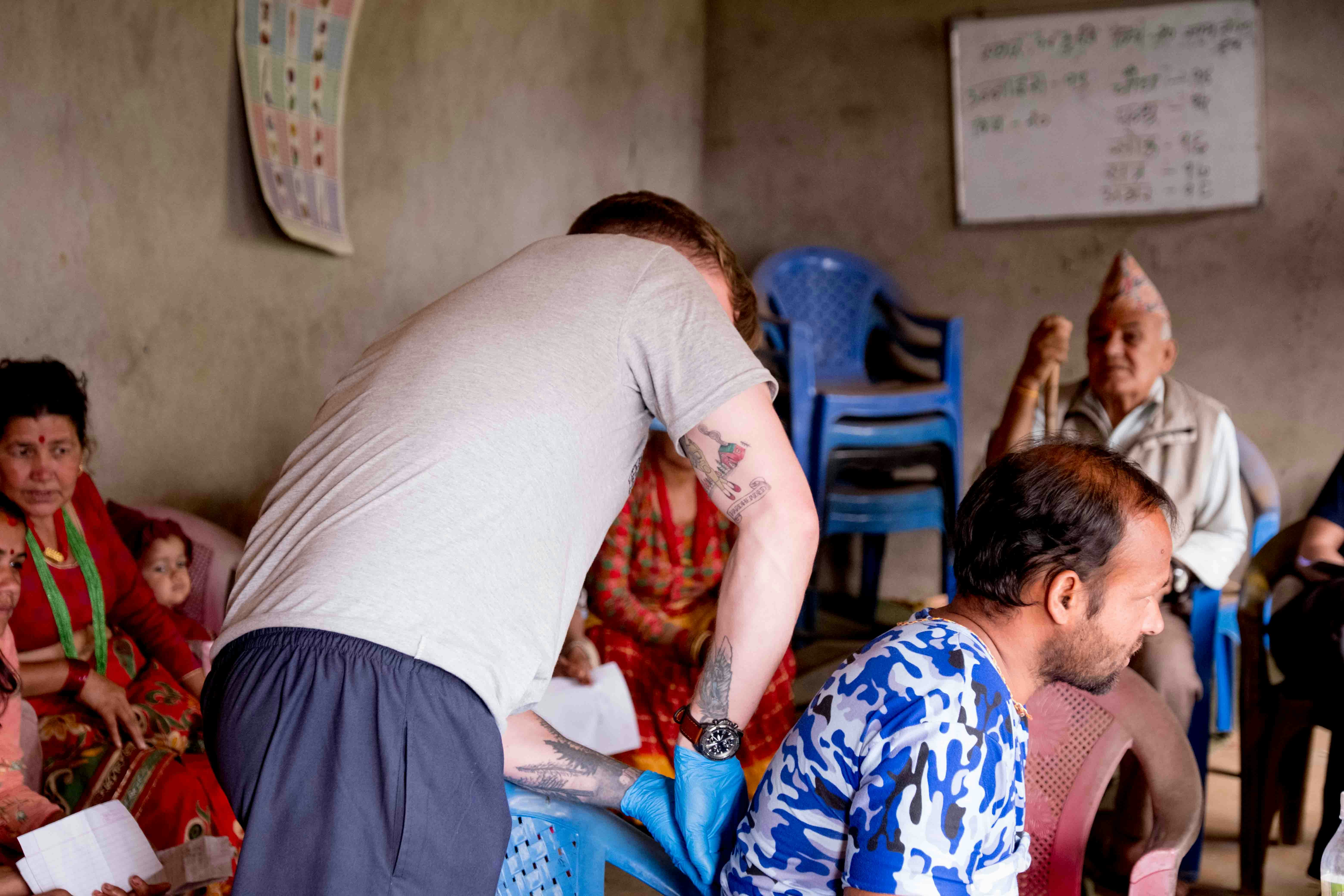
NGOs and community organizations play a vital role in extending healthcare services to underserved populations through:
Health awareness campaigns
Medical camps
Nutrition programs
Maternal health support
Mental health counseling
Sanitation and hygiene education
Conclusion
Healthcare is a basic human right and a cornerstone of sustainable development. By improving access to medical services, promoting preventive care, and raising health awareness, we can create healthier communities and brighter futures. Every individual deserves the opportunity to live a healthy and dignified life.